How to Get a Free VPS Server for Your Website Hosting Needs?

    In the evolving digital landscape, the demand for reliable web hosting is surging. A recent survey revealed that 79% of small businesses rely on effective website hosting for customer engagement. This trend is driving many to seek cost-effective solutions, notably the free vps server option. A Virtual Private Server (VPS) provides users with dedicated resources, enhancing site performance without significant financial outlay.

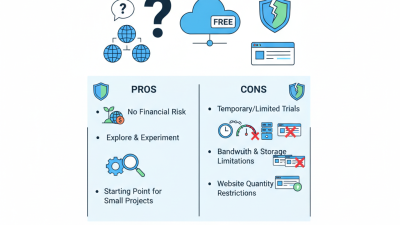
    Finding a free vps server can be a daunting task. Quality, reliability, and support vary drastically among providers. Research shows that approximately 40% of users encounter issues with uptime and speed when using free services. Despite the allure of no cost, it's crucial to assess the potential limitations, such as bandwidth caps and technical support. Make sure to analyze community reviews and user experiences carefully.

    The balance between cost and quality remains critical. Free solutions may not always meet the robust demands of high-traffic sites. Yet, for startups and personal projects, they can be a viable testing ground. Understanding the trade-offs becomes essential in this decision-making process. Seek out reputable sources and weigh the pros and cons thoughtfully.

    How to Get a Free VPS Server for Your Website Hosting Needs?

    Understanding VPS Servers and Their Benefits for Website Hosting

    VPS servers, or Virtual Private Servers, offer a flexible and powerful option for website hosting. They combine the affordability of shared hosting with the dedicated resources of a private server. This allows website owners to enjoy increased control and performance. With a VPS, users get their own slice of a physical server, complete with guaranteed CPU and memory allotments. This ensures that websites run smoothly, even during traffic spikes.

    The benefits of using a VPS are notable. Enhanced security features protect sensitive data, which is essential for any website. Users can customize their server environments, tailoring configurations to specific needs. This level of flexibility is often lacking in shared hosting. However, some might find the learning curve steep if they’re used to simpler hosting solutions. There’s a chance to optimize performance, but misconfigurations can lead to downtime.

    Performance reliability stands out as a key advantage. Users benefit from faster loading times and improved user experience. Yet, not all VPS providers offer the same level of service. It's important to do due diligence before committing. Ultimately, a VPS can be an excellent solution for those who seek to balance cost and control.

    How to Get a Free VPS Server for Your Website Hosting Needs?

    Feature Description Advantages Considerations
    Resource Allocation Dedicated resources for your applications. Improved performance and reliability. Higher cost than shared hosting.
    Control Full root access to configure the server. Ability to install custom software. Requires technical expertise.
    Scalability Easily upgrade or downgrade resources. Flexible to accommodate business growth. Potential downtime during upgrades.
    Cost Affordable plans often available for free trials. Cost-effective for startups. Free plans may have limited resources.
    Support Community forums and documentation available. Access to a wealth of user-generated solutions. Limited official support for free accounts.

    Exploring Free VPS Server Options Available Online

    When exploring free VPS server options, it’s essential to understand their limitations. Many providers offer free services, but often with restrictions. According to a recent industry report, about 40% of free VPS options limit CPU usage and storage. This means users may experience slow performance during peak times. Server reliability can also be an issue. Free services may face frequent downtime, which could affect your website's availability.

    Another critical aspect is security. Many free VPS solutions lack advanced security features. A study from Cybersecurity Ventures shows that small businesses are targeted in 43% of cyberattacks. Without proper security protocols, a free VPS might expose your data. Users should verify the security measures in place. Free services may offer basic firewalls but might not include data encryption. Ensure that the VPS provider gives you some assurance of protection.

    Lastly, consider the support available. Free VPS providers often have limited customer service options. A survey found that 55% of users reported dissatisfaction with support from free services. If something goes wrong, resolving issues might take longer than anticipated. Users should weigh these factors carefully. A free VPS may seem appealing, but the trade-offs in performance, security, and support can be significant.

    Step-by-Step Guide to Setting Up Your Free VPS Server

    How to Get a Free VPS Server for Your Website Hosting Needs?

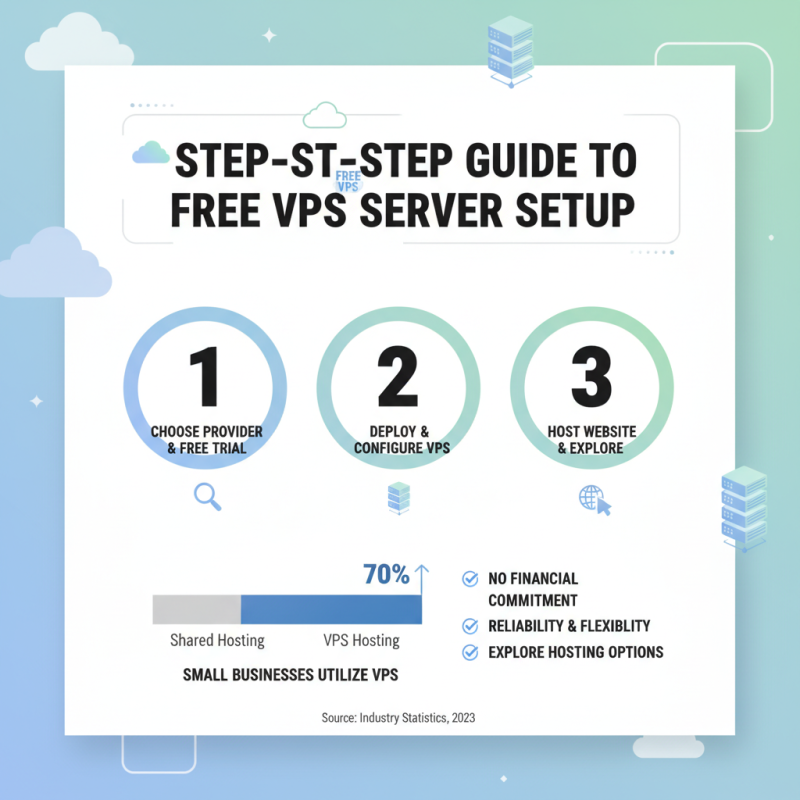
    Setting up a free VPS server for your website hosting can be an excellent way to explore options without financial commitment. Many hosting companies offer free trials or promotions to attract users. Statistics show that about 70% of small businesses utilize VPS services due to their reliability and flexibility.

    To begin, research service providers that offer free VPS hosting. Sources like hosting review sites can provide insights into the most reliable options. Understanding the features provided in the free plan is crucial. Look for essential aspects like bandwidth, RAM, and storage limits.

    Tips: Always read the fine print. Sometimes, free services come with hidden fees or limitations. While enjoying the no-cost option, monitor performance and uptime regularly. This will help identify potential weaknesses.

    After selecting a provider, follow their setup instructions carefully. Configuring your server may feel daunting. However, most reputable hosts provide user-friendly dashboards. A survey indicated that 40% of users find live chat support invaluable during setup. This could save you time and frustration. Always consider scalability. Free options might work initially, but ensure you can upgrade when needed.

    Best Practices for Managing Your Free VPS Server Effectively

    Managing a free VPS server requires careful planning. First, understanding the resources provided is crucial. Know how much CPU, RAM, and storage you have at your disposal. This knowledge helps prevent sluggish performance. Regularly monitor your server's resource usage. Tools like top and htop can provide insights. Be prepared to adjust based on demand.

    Security should not be overlooked. Free VPS servers can be tempting targets for attacks. Implement firewalls and regularly update your software. Unpatched vulnerabilities can lead to data breaches. Consider using SSH keys for secure access instead of passwords. Taking these simple steps can enhance your server's defenses.

    Backups are essential. Schedule automated backups to avoid data loss. Free servers might have limited redundancy. A sudden crash can be alarming. Having a backup means you can restore quickly. Lastly, engage with the community. Sharing experiences can lead to valuable tips. Learning from others can improve your skills remarkably.

    Common Challenges and Solutions When Using Free VPS Hosting

    How to Get a Free VPS Server for Your Website Hosting Needs?

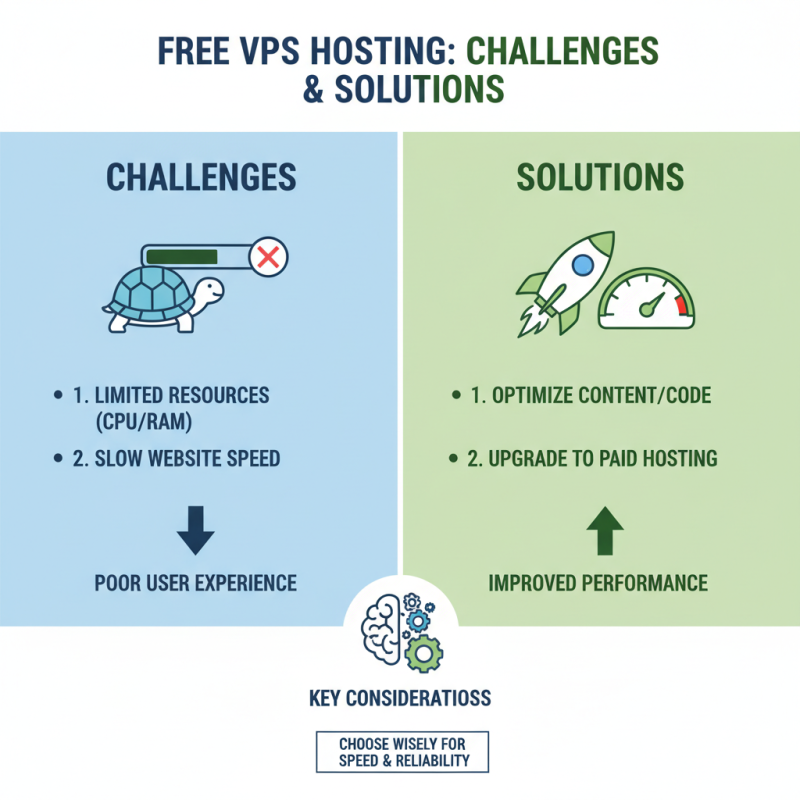
    Choosing a free VPS server can be tempting for hosting a website, but several challenges often arise. Limited resources are a common issue. Many free VPS services offer minimal CPU power and RAM. This can lead to slow website loading times. A website's performance is crucial for user experience. Users may leave if your site loads too slowly.

    Another challenge is security. Free VPS providers might not offer robust security measures. This can leave your site vulnerable to attacks. A compromised website can damage your reputation and result in significant data loss. It's vital to regularly update your software and use strong passwords.

    Tips: Always monitor your VPS resource usage. This can help you understand the limits of your hosting plan. If traffic increases, you might need to upgrade. Also, consider using a CDN to enhance website speed. A content delivery network can help content load faster for users across different regions. Lastly, be cautious about reliability. Free services can experience downtimes. Such interruptions can affect your site's availability.