2026 Top Cloud Server Trends and Innovations to Watch Out For?
As we head into 2026, the cloud server landscape continues to evolve rapidly. Industry reports project that the cloud computing market will reach $832.1 billion by 2025. This growth signals a shift in digital infrastructure, impacting businesses of all sizes. "The cloud server is no longer just an option; it’s a necessity," says Dr. Jane Chen, a leading cloud technology expert. Her insight underscores the critical role cloud servers play in modern operations.
Among the emerging trends, serverless computing and edge cloud services are gaining traction. These innovations promise enhanced performance and lower latency. Yet, businesses must weigh the benefits against potential complexities in management and security. Experts believe that tackling these challenges will be essential for successful cloud integration.
Companies must adapt to the increasing demand for flexibility and scalability. However, adopting new technologies is not without pitfalls. Some organizations find it challenging to migrate their existing workloads seamlessly. Ultimately, as cloud servers continue to innovate, organizations must remain vigilant and prepared for constant evolution.

Emerging Technologies Shaping the Future of Cloud Servers in 2026
As we approach 2026, cloud servers are evolving rapidly, driven by emerging technologies. According to a report by Gartner, the global public cloud services market is expected to grow by 22% to $396 billion in 2026. This growth is fueled by advancements in AI, machine learning, and edge computing. These innovations allow businesses to process data faster and more efficiently, which is essential for staying competitive.
One emerging trend is the increased adoption of serverless computing. This approach allows developers to focus on code rather than infrastructure management. A study by IDC indicates that 80% of companies adopting serverless will enhance their application development speed. However, as companies embrace this model, they must carefully assess their security strategies. Misconfigurations can lead to vulnerabilities, affecting sensitive data. Regular audits are crucial.
Another noteworthy trend is the rise of hybrid cloud systems. They offer flexibility and improved disaster recovery. Despite their benefits, hybrid clouds require complex management. Many organizations struggle with integration challenges. Tapping into expert guidance can facilitate smoother transitions and help companies leverage their cloud strategies effectively. Exploring user-friendly tools can also make management more straightforward, minimizing the risk of operational hiccups.
2026 Top Cloud Server Trends
The Role of Artificial Intelligence in Cloud Server Optimization
Artificial intelligence (AI) is transforming cloud server management. Organizations are recognizing the potential benefits. AI enables real-time monitoring. It analyzes vast amounts of data to detect anomalies and optimize resources. This leads to improved performance and reduced downtime. By leveraging machine learning algorithms, cloud services can predict usage patterns. This helps in cost management and resource allocation.
However, not all AI implementations are seamless. Some systems struggle with integration issues. Compatibility with existing infrastructure often presents challenges. Organizations need to invest in training for effective usage. The human element remains crucial in interpreting AI insights. Even with advanced technology, human oversight can mitigate errors. Trust in AI must be built gradually. Sometimes, these systems may produce unexpected results, requiring careful analysis.
As AI continues to evolve, its role in cloud optimization will grow. Companies must stay informed about new algorithms and tools. Keeping up with innovations ensures they remain competitive. Adopting AI can lead to significant advancements, but it also requires a thoughtful approach. Balancing technology with human insight will be key in the journey ahead.
2026 Top Cloud Server Trends and Innovations to Watch Out For
| Trend/Innovation |
Description |
Impact |
Example Applications |
| Artificial Intelligence Integration |
Utilizing AI to enhance cloud operations and service delivery. |
Improved efficiency and reduced operational costs. |
Predictive analytics, automated scaling. |
| Serverless Computing |
Running applications without managing server infrastructure. |
Faster deployment and reduced maintenance overhead. |
Microservices architecture, event-driven applications. |
| Hybrid Cloud Solutions |
Combination of public and private cloud services. |
Flexibility and enhanced security options. |
Data backup, disaster recovery. |
| Multi-Cloud Strategies |
Using multiple cloud services from different vendors. |
Increased redundancy and avoided vendor lock-in. |
Workload balancing, cost optimization. |
| Enhanced Cloud Security |
Improving security measures for cloud environments. |
Protection against data breaches and cyber threats. |
Encryption, multi-factor authentication. |
| Edge Computing |
Processing data closer to the source of generation. |
Reduced latency and bandwidth usage. |
IoT applications, real-time data processing. |
Sustainability and Green Computing Trends in Cloud Server Infrastructure
The rise of sustainability in cloud computing is evident. More companies are focusing on green computing practices. The goal is to reduce their environmental impact. Cloud server infrastructure plays a crucial role in achieving this.
Innovative solutions are being implemented to enhance energy efficiency. For instance, data centers now use advanced cooling technologies. These systems use less energy and maintain optimal temperatures. Additionally, many cloud providers are investing in renewable energy sources. Solar and wind power are becoming more common in their operations.
Despite the progress, challenges remain. Many organizations still struggle to balance performance and sustainability. Transitioning to greener practices can be costly upfront. Some companies face resistance from stakeholders who prioritize immediate results. Yet, the long-term benefits of sustainable cloud infrastructure are clear. It leads to reduced emissions and cost savings. Emphasizing sustainability is more than a trend; it's becoming a necessity in the tech industry.
Security Innovations to Safeguard Cloud Data in 2026
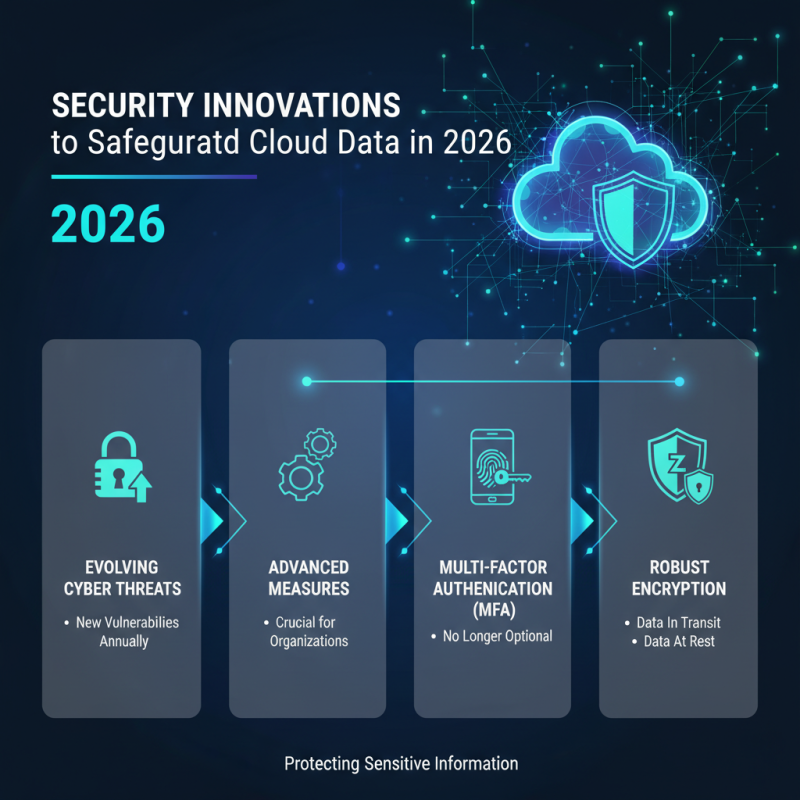
As we approach 2026, cloud data security innovations are becoming increasingly crucial. Cyber threats are evolving rapidly. Every year, new vulnerabilities are discovered, exposing sensitive data. To counter these risks, organizations must adopt advanced security measures. Multi-factor authentication is no longer optional; it’s a necessity. Implementing robust encryption practices will protect data in transit and at rest.
Another trend to watch is the rise of AI-driven security solutions. These tools analyze vast amounts of data to detect anomalies. They can identify potential threats before they escalate. However, there are challenges. AI systems still require human oversight. They are not infallible and can produce false positives or overlook subtle threats. Continuous monitoring is essential.
Furthermore, organizations must invest in employee training. Human error remains one of the top causes of data breaches. Regular workshops can help foster a security-first mindset among staff. It’s also vital to establish clear protocols for data handling. Every employee needs to know their role in protecting cloud data. Without a holistic approach, even the best technologies can fall short.
The Impact of Edge Computing on Cloud Server Performance and Efficiency
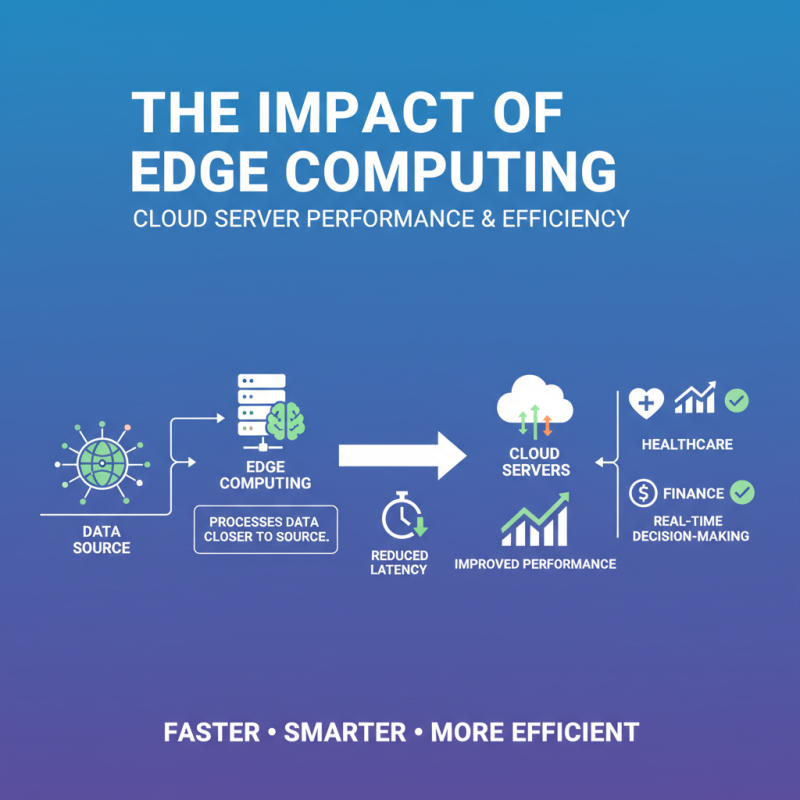
Edge computing is reshaping how cloud servers perform. By processing data closer to the source, it reduces latency significantly. This improvement is crucial for applications needing real-time analysis. For industries like healthcare and finance, immediate data access can lead to better decision-making.
However, edge computing brings challenges. Security is a major concern as data travels between devices and cloud servers. More points of connection could mean more vulnerabilities. Organizations must implement robust security measures to protect sensitive information.
Scalability is another issue. As businesses grow, managing numerous edge devices can become complex. Keeping everything interconnected without bottlenecks is essential. Despite these challenges, the benefits of enhanced performance and efficiency in cloud server operations are hard to ignore. Adapting to this changing landscape is crucial for staying competitive.